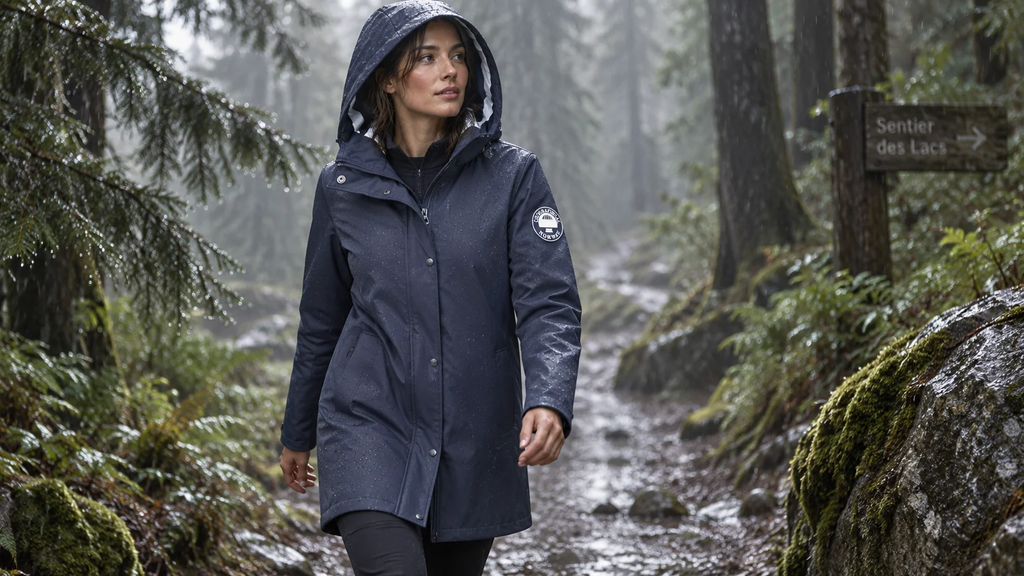
Navigating transitional climates requires an adaptable approach to daily dressing that balances wind deflection, moisture vapor permeability, and portable thermal insulation. During early spring thaws and late autumn cool-downs, morning commutes can begin under near-freezing breezes, shift into mild afternoon sunshine, and end under sudden evening drizzle. Relying on heavy, insulated winter parkas during these fluctuating periods often leads to uncomfortable sweating, while leaving the house in basic knitwear leaves you vulnerable to sudden drafts.
Selecting appropriate gear starts with analyzing the technical categories within types of lightweight outerwear. Rather than treating an outer layer as an all-in-one shield against extreme Arctic cold, lightweight designs act as dynamic shells that preserve core temperature stability without weighing down the wearer or restricting physical mobility.
Technical Weaves and Lightweight Jacket Materials
The engineering behind transitional outerwear focuses on fabric density rather than thick internal padding. Traditional cold-weather coats rely on inches of loft to stop radiant heat loss, but lightweight designs utilize tightly spun synthetic microfibers to build an impermeable barrier against moving air.
High-density micro-ripstop nylon and fine-filament polyester form the foundation of this category. Weavers pack thousands of fine filaments per square inch, creating a windproof surface that prevents exterior gusts from stripping away the warm layer of air trapped against the skin. An interwoven crosshatch grid stops small snags from turning into full-panel tears when brushing against tree branches, car doors, or rough gear.
A well-constructed lightweight jacket pairs this high-density face fabric with a durable water-repellent finish. This chemical coating raises the surface tension of the exterior face, causing light rain and sea spray to bead up and roll off rather than soaking into the weave, keeping wearers comfortable during sudden weather shifts.
Core Warmth and Sleeveless Insulated Clothing
When morning chills demand more than a simple unlined shell, pairing a thin windproof layer with a puffer vest creates a modular system tailored to changing conditions. Sleeveless insulated garments focus warmth directly over the vital organs in the chest and abdomen while leaving the arms free for natural ventilation and unrestricted movement.
This torso-first approach prevents the body’s internal thermostat from restricting blood flow to the hands and fingers, maintaining physical comfort without adding heavy sleeve bulk.
Combining an unlined wind shell with an insulated vest allows wearers to fine-tune their comfort throughout the day as outdoor temperatures rise and fall.
Moisture Vapor Permeability and Mechanical Venting
A major challenge with clothing for transitional weather is internal moisture management. When walking briskly, commuting, or lifting gear, the human body produces heat and perspiration vapor. If an outer layer acts as a solid, non-breathable plastic sheet, that vapor condenses inside the garment, soaking inner shirts and causing a rapid chill once movement stops.
Modern packable outerwear explained through textile mechanics relies on two key ventilation methods:
- Microporous Membrane Coatings: Thin polyurethane backings contain microscopic pores large enough to vent water vapor molecules out, yet small enough to block liquid rain from entering.
- Underarm and Back Cape Vents: Hidden overlapping flaps lined with open-cell mesh allow hot air to vent naturally from high-heat zones during physical activity.
- Two-Way Front Zippers: Double-slider front zips let you unzip the jacket from the bottom up, dumping excess heat while keeping the collar and shoulders shielded from wind.
- Wicking Mesh Linings: Soft interior polyester drop-linings keep synthetic shell fabrics from clinging to bare forearms during warm, humid rain showers.
Comparing Lightweight versus Insulated Jackets
Choosing the right outer layer for unpredictable weather requires understanding the functional differences between unlined lightweight shells and bulky insulated coats.
Unlined technical shells provide wind resistance, packability, and water protection with almost zero added weight. They serve as an exterior armor that relies on mid-layers—like fleece pullovers or waffle-knit sweaters—to supply thermal loft.
In contrast, fully insulated coats combine the exterior shell, synthetic fill, and interior lining into a single thick garment. While insulated coats excel in consistently sub-freezing conditions, they lack the flexibility needed for shifting spring and autumn weather, often leaving wearers overheated by midday.
| Performance Metric | Lightweight Shell Jacket | Fully Insulated Winter Coat |
| Primary Function | Wind blocking and moisture defense | High-loft thermal heat retention |
| Optimal Temperature Range | 10°C to 20°C (flexible with layers) | Sub-zero to 5°C |
| Packability | Compresses into pockets or small pouches | Requires large bag space; bulky |
| Mobility and Dexterity | Full 360-degree range of motion | Stiffer, heavier arm movement |
| Adaptability | High; adjust mid-layers as needed | Low; prone to indoor overheating |
Principles of Layering for Changing Temperatures
Managing fluctuating temperatures depends on an efficient three-tier layering strategy. Instead of depending on one heavy garment, wearers divide weather protection into distinct, manageable stages:
- The Base Layer: Thin synthetic or merino wool tops sit directly against the skin to pull sweat away from the body before it can cause a chill.
- The Thermal Mid-Layer: Fleece pullovers or lightweight insulated vests trap warm dead air around the torso, supplying adjustable warmth.
- The Protective Outer Shell: Lightweight windbreakers or softshell jackets shield inner layers from wind, rain, and surface abrasion.
This modular system ensures that as temperatures climb in the afternoon, you can easily remove the mid-layer and pack it away, leaving the breathable shell on to handle passing breezes.
Sourcing and Manufacturing Standards
Developing versatile transitional outerwear requires careful pattern design, consistent seam sealing, and dependable component sourcing. Leading apparel producers pay close attention to zipper durability, pocket layouts, and fabric hand-feel to ensure garments transition smoothly between urban commutes and outdoor weekend trips.
Brands such as Simplstc Apparel design transitional lines around these practical principles, delivering clean, unlined shells and packable mid-layers that balance weather protection with an understated modern look. Sourcing platforms like simplstcapparel.com highlight the value of versatile garments built to handle sudden weather changes without adding unnecessary bulk.
Mastering Seasonal Transitions with Smart Outerwear
Navigating unpredictable spring and autumn weather does not require carrying multiple coats. By investing in a well-constructed lightweight shell and pairing it with modular mid-layers, you create an adaptable setup that handles cold morning winds, warm afternoons, and sudden evening showers with ease.
Understanding how technical fabrics, ventilation systems, and packable designs work together ensures you stay comfortable, dry, and protected across every seasonal transition.